
Tips · 11 min read
How to set up a mocktail bar guests actually use
Three drinks with real specs, one shopping list, three glass shapes (balloon, lowball, highball) and one rule: same crystal for everyone, never labeled.

 Arthur BulotaCo-founder & CEO, Glassique Cadeau
Every mocktail bar I have been served from was a jug of something orange and a stack of leftover tumblers in a corner. The fix is a rule, not a recipe: same glass for every guest, nothing labeled. Three drinks in three shapes cover a whole room, and a 25 oz balloon takes the ice a spritz needs.
Email me if you have any questions: shop@glassiquecadeau.com. I answer every email personally.

A mocktail bar fails for one reason: the non-drinker can tell they got the lesser drink.
You are hosting twelve people. Four of them are not drinking tonight, for reasons that are none of your business. The usual plan is a jug of something pink on the side table, poured into whatever tumbler is left in the cupboard. Everyone can see who is on the pink jug. That is the problem a mocktail bar has to solve. Rule first, then menu, shopping list, glasses and layout.
The one rule: same glass for everyone, never label it
Pour every drink in the room into the same crystal and keep the word "mocktail" off the table.
Nobody at a table should be able to tell who is drinking. That is the whole job. Give the zero-proof option its own jug or tumbler and you have sorted your guests into two groups.
The bar trade already works this way. Ask a bartender where a non-alcoholic drink goes and the answer is "the same glass as the cocktail", so the guest is not outed to the booth.
It matters more than it sounds, because the glass carries most of the ritual once the alcohol is gone. A shaken citrus build over one clear 2 inch cube in a heavy crystal lowball reads as a cocktail. The identical liquid in a leftover water tumbler reads as juice. So the glassware section below is the mechanism, not decoration. The mocktail glasses we recommend are the ones that pass this test in a mixed room: a heavy base or a proper bowl, a wide rim, and enough capacity for ice.
This is not a niche courtesy. The International Wine and Spirits Record, the drinks trade's main data firm, puts the no and low category at about $20 billion in 2023, double 2019, and 58% of its buyers also drink alcohol. Your mocktail guest this Friday is your negroni guest next Friday.
The three-drink menu that covers a room
One spritz-style, one shaken citrus, one tall fizz: three builds cover every taste in the room without a second bottle of anything.
Three drinks, three shapes, three textures. Every spec is in ounces.
1. The bitter spritz (long, bittersweet, orange). 2 oz zero-proof bitter aperitivo, 3 oz alcohol-free sparkling wine or tonic, 1 oz soda water. Build over ice in a 25 oz balloon, stir once, orange slice. About 6 oz of liquid before ice.
2. The shaken sour (short, sharp, cold). 2 oz zero-proof gin, 1 oz fresh lemon juice, 0.75 oz simple syrup, 2 dashes glycerin-based non-alcoholic bitters. Shake hard with ice for 12 seconds, double strain over one large 2 inch cube in a 9 oz lowball (or a 10 oz ribbed goblet if you want a stem). About 3.75 oz going in, closer to 4.5 oz after shaking dilution. This is the one that looks most like a cocktail.
3. The tall fizz (long, dry, refreshing). 1.5 oz zero-proof gin, 0.75 oz fresh lime juice, 0.5 oz simple syrup, top with 4 oz tonic. Build over ice in a tall highball, lime wheel. About 6.75 oz.
Together they cover bitter, sour and dry. If you want five more with the same discipline, our Dry January recipes follow identical specs.
The shopping list
Seven things: zero-proof gin, bitter aperitivo, tonic, soda, fresh citrus, ice, and non-alcoholic bitters.
- Zero-proof gin, one 700 ml bottle for 12 guests. The first distilled zero-proof spirit only launched in 2015, but every supermarket now stocks two or three. Pick one with juniper up front.
- Zero-proof bitter aperitivo, one bottle. The Aperol stand-in.
- Tonic water, 2 liters. Dry, not sweet; drink three already has syrup.
- Soda water, 1 liter.
- Fresh citrus: 6 lemons, 6 limes, 2 oranges. No bottled juice.
- Simple syrup: equal parts sugar and hot water, stirred, cooled. Five minutes.
- Ice, 10 lb for 12 guests. More than you think. See the next section.
- Non-alcoholic bitters, one bottle. Check the label: standard cocktail bitters run about 40% ABV, and two dashes is small but it is not zero. For a strictly dry serve use a glycerin-based bitters.
Ice and garnish do the work alcohol used to
Cold, dilution and aroma are what make a drink feel finished, and with no ethanol in the glass you have to supply all three deliberately.
Ice. Use large cubes, 2 inches if you can get them. Less surface area, slower melt, so tall drinks stay cold for a whole conversation. Fill the glass to the top; half-filled glasses melt faster.
Temperature. Shaken drinks come out around 38 F. A hand is about 98 F. Wrap a hand around a thin glass and that gap closes fast, which is why the shaken sour goes over one large cube in a heavy lowball. The cube holds serving temperature with almost no dilution, and the thick base keeps your palm off the liquid. Ice does the temperature work, not a stem. It is also why a coupe is the wrong call for a mocktail: small, no room for ice, and built for spirit-forward drinks that can take a little warmth. A drink that is mostly juice and mixer cannot.
Garnish. Express the orange peel over the spritz so the oils sit on the surface. Put the lime wheel in the fizz, not on the rim. Bowl-shaped glasses concentrate aroma, which matters more when ethanol is not carrying it, so the balloon does half your garnish work for you.
Glassware per drink
Three shapes cover the whole menu: a 25 oz balloon, a 9 oz lowball and a tall highball.
The table below is the entire glass order. Everything else is optional.
| Glass | Capacity | Best for | Set |
|---|---|---|---|
| Copa de Balon Gin Goblet, $39.99 | 25 oz (740 ml) | The bitter spritz, any tonic build, anything with a lot of ice | 2 |
| Art Deco 1920s Lowball, $59.99 | 9 oz (266 ml) | The shaken sour over one large cube, any stirred zero-proof build | 4 |
| Highball or collins glass | 12 to 14 oz (355 to 414 ml) | The tall fizz, collins-style lengtheners | any |
| Art Deco Ribbed Goblet with Stem, $42.99 | 10 oz (296 ml) | The sour with a stem, sparkling serves | 4 |
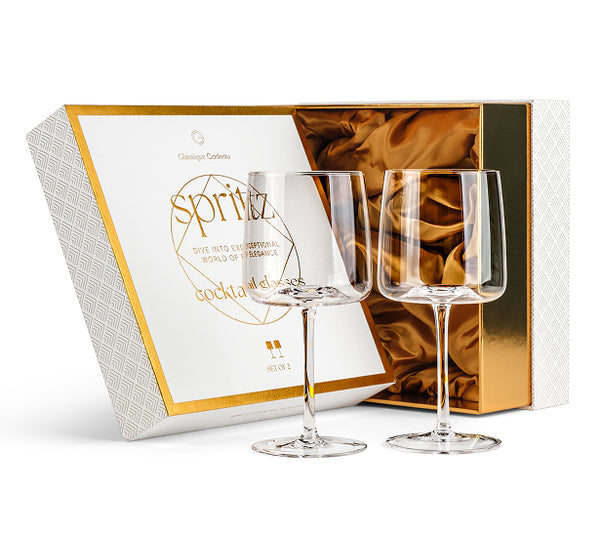
| Crystal Aperol Spritz Glasses, $39.99 | 15 oz (444 ml) | A tighter spritz with less ice, wine-style stem | 2 |
| Venice Goblet, $49.99 | 17 oz (503 ml) | Mid-size balloon for tonic and sparkling serves | 4 |
Why these sizes. A spritz or tonic needs 15 to 25 oz because ice and garnish take most of the volume. A 9 oz lowball takes one 2 inch cube and a 4.5 oz sour with the rim still clear; the heavy base and wide mouth suit a drink that is mostly citrus and mixer. The 10 oz ribbed goblet does the same job with a stem. A 12 to 14 oz highball fits 6.75 oz of drink plus a full column of ice. The cocktail glass size chart covers every shape; the balloons live in high-capacity gin and tonic glasses.
Twelve guests: two sets of the balloon, one lowball set, one highball set, with a wash cycle in the middle. Or start from the curated gift sets if the bar is a present.
Batching: multiply the citrus, add the fizz per glass
Batch the still parts of each drink by multiplying the spec, keep it cold, and add anything carbonated one glass at a time.
The shaken sour scales by arithmetic. One serve is 2 oz zero-proof gin, 1 oz lemon, 0.75 oz syrup. Twelve serves is 24 oz gin, 12 oz lemon, 9 oz syrup, 45 oz total, which fits in a 1.5 liter bottle. Mix it two hours ahead, refrigerate, shake two serves at a time. Add the bitters per glass so the 40% ABV question never comes up.
The spritz and the fizz batch differently. Pre-mix the still parts only: aperitivo alone for drink one, gin, lime and syrup for drink three. Never batch the tonic, the soda or the sparkling wine. Carbonation dies in a pitcher within twenty minutes. Still base into an iced glass, fizz from a fresh bottle on top, done.
Juice citrus the same afternoon; lime goes bitter after a day.
A self-serve layout for a bar cart
Left to right: ice, glasses, still bases, fizz, garnish, and a small card with the three specs, so a guest can build a drink without asking.
Lay the cart out in build order.
- Ice bucket and scoop on the far left. Not tongs.
- Glasses in three groups, balloons, lowballs, highballs, upside down on a folded cloth.
- Still bases in labeled bottles with a pour spout: "sour base", "fizz base", "aperitivo". Label the bottle, never the drink.
- Fizz: tonic, soda and sparkling in a second ice bucket, opened as needed.
- Garnish board: orange slices, lime wheels, a few lemon twists, a small knife.
- The card. Three lines, one per drink, in ounces, in your handwriting. Guests follow a card, not a speech.
Keep a 1 oz and 2 oz double jigger next to the card; every spec above measures with it. For timing and the rest of the evening, how to host a cocktail party covers the room.
The mixed-crowd version
Put the spirited twin of each drink next to its zero-proof original, in the same glass, with the same garnish, so the only difference is the bottle.
Next to the zero-proof gin sits a real gin. Next to the zero-proof aperitivo sits Aperol. The sour and fizz bases are made without spirit, and the guest adds 2 oz of whichever gin they want before shaking.
The result is that every drink on the cart has a twin, both twins go into the same glasses for non-alcoholic drinks and cocktails alike, and from three feet away there is no difference. That is the rule from the top of this post, enforced by the layout instead of by you.
Keep the glycerin bitters on the zero-proof side of the cart. It is the only place the two menus can cross.
If you are the host who is not drinking, this is where it pays off. Same lowball as everyone else. Nobody asks.
Shop this guide
All 54 pieces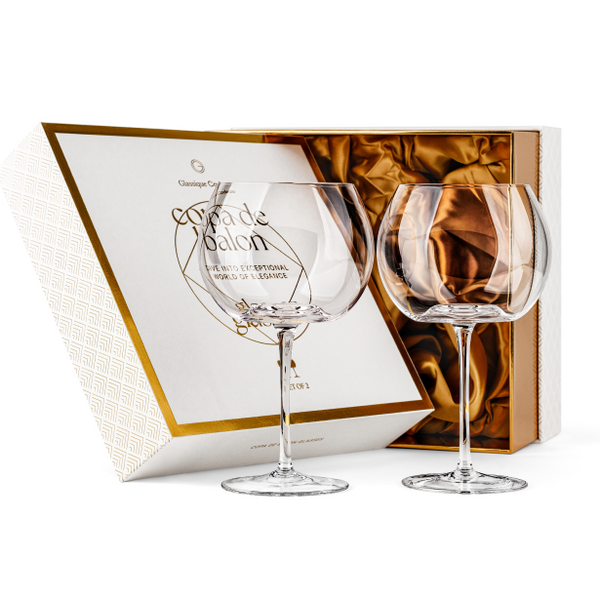
Our Pick

Gift Ready
Gift Ready
Frequently asked questions
What do you need for a mocktail bar?
Three drinks, one shopping list and three glass shapes. Zero-proof gin, a bitter aperitivo, tonic, soda, fresh lemons and limes, simple syrup, non-alcoholic bitters and a lot of ice cover the menu above. For glassware, a 25 oz balloon, a 9 oz lowball and a tall highball handle every build.
What are good non-alcoholic drinks for a party?
The ones that behave like cocktails: a bitter spritz over ice in a balloon, a shaken citrus sour over one large cube in a heavy lowball, and a tall gin-and-tonic style fizz in a highball. They cover bitter, sour and dry and look identical to the spirited versions.
How do you make fancy non-alcoholic drinks?
Measure in ounces, shake or stir with real ice, double strain over one large clear cube, and serve in heavy crystal with a fresh garnish. Fanciness is technique, ice and glassware, not ingredient count.
Should a mocktail go in the same glass as a cocktail?
Yes. That is what bars do, and it is the point of a mocktail bar at home. Same glass, same garnish, same amount of care. The guest should never have to explain what they are drinking, and the glass should never do it for them.
How much ice do you need for 12 guests?
About 10 lb. Every long drink takes a full glass, every shaken drink a shaker full. Large 2 inch cubes melt slower than bagged ice, so buy fewer, bigger cubes if you have the choice.
Conclusion
A mocktail bar guests actually use is a small one. Three drinks with real specs, one basket of ingredients, three glass shapes and a cart laid out left to right. The rule that makes it work is not a recipe: pour everyone the same crystal and never label the drink. Do that and nobody spends the evening explaining what is in their glass.
If you are buying glasses for this, the Copa de Balon Gin Goblet set of 2 ($39.99, 25 oz, hand-blown lead-free crystal, dishwasher safe) is the default: it takes the spritz, the tonic and a full column of ice. The Art Deco 1920s Lowball set of 4 ($59.99, 9 oz, hand-blown lead-free crystal, dishwasher safe) is the glass for the shaken sour over one large cube, and the Crystal Aperol Spritz set of 2 ($39.99, 15 oz, hand-blown lead-free crystal, dishwasher safe) is the tighter spritz stem for a smaller pour. All three arrive in a satin-lined gift box with a recipe printed on the lid, ship from a US warehouse, free over $89, with a 30-day satisfaction guarantee. Any tall glass from the highball and collins shape handles the fizz. Browse the mocktail collection for the rest, or the spritz glasses if you only want the long drinks covered.
Sources
- International Wine and Spirits Record (IWSR), no and low alcohol category growth and moderator data
- Alcohol Change UK, Dry January
- Wikipedia, Angostura bitters (ABV)
- Wikipedia, Seedlip (first distilled zero-proof spirit, 2015)
- Our Dry January recipes
- How to host a cocktail party
- Highball and collins glasses
- Lead-free, hand-blown crystal
- 30-day satisfaction guarantee
- Arrives gift-ready in a satin-lined box


